All Categories
Featured
Table of Contents
Real-time updates supplied by mobile devices inform decision-making by offering immediate visibility into stock levels and order statuses. Wearable technology, such as wise glasses and wrist-mounted gadgets, can be integrated into warehouse systems to even more enhance functional performance. These wearables provide hands-free access to information, which increases efficiency and security for storage facility employees.

AI Agents can collect data from numerous internal and external sources, locate items rapidly, provide efficiency reports, and immediately create order with vendors to replenish stock. IoT incorporates with WMS and handles the area of products, routing of products within storage facility workflows, and helps to develop pull-based supply chains.
Use a nationwide network of high-performance partner warehouses expand capability, cut shipping costs, and reach clients 12 days quicker. Picking the right storage facility management system for your service includes extensive research study and careful factor to consider of various elements. Assessing various WMS choices includes looking into suppliers, considering customer evaluations, and evaluating their track records in the market.
Cloud-based WMS software application, which normally adopts a software-as-a-service (SaaS) rates model, uses flexibility and scalability as your business requires modification. Key aspects to consider when choosing a WMS include your organization size, specific industry requirements, and special operational needs. By thoroughly examining these elements, you can select a WMS that lines up with your company goals and boosts your warehouse operations.
From real-time stock tracking to automated order choosing and shipping combination, a WMS brings various advantages that can transform your organization. Carrying out a WMS can result in considerable cost savings, improved performance, and better customer care, making it an essential investment for any company included in warehousing and distribution. The impact of a well-implemented WMS is extensive.
Advanced Inventory Management Systems for Global Sales
If you're wanting to take your warehouse operations to the next level, consider investing in a WMS customized to your particular requirements. Welcome the future of warehouse management and enjoy your organization flourish. A Warehouse Management System (WMS) is software application that assists enhance storage facility operations by tracking stock and managing processes like receiving, storing, choosing, packaging, and shipping.
Executing a WMS brings considerable advantages like cost savings, improved efficiency, and real-time stock presence, all while decreasing mistakes and improving client fulfillment. There are primarily 3 types of Storage facility Management Systems (WMS): standalone systems, cloud-based alternatives, and integrated ERP services.
Advanced innovations like AI and IoT significantly improve WMS by using important information insights, enhancing operations, and helping with more responsive supply chains. They also help monitor conditions to decrease threats, making warehouse management smarter and more effective. Rinaldi Juwono leads content and SEO method at Cahoot, crafting data-driven insights that help ecommerce brands browse logistics obstacles.
A Storage Facility Management System (WMS) is a software application created to handle and optimize storage facility operations. It assists organizations track inventory levels, handle choosing, packing, and shipping procedures, and optimize storage facility area usage. Here are some key features and reasons that WMS is vital: WMS assists in real-time tracking of stock levels, places, and movements within the storage facility.
WMS enhances warehouse space usage by recommending effective storage places based on product characteristics, need patterns, and storage capability. By automating and enhancing storage facility procedures, WMS reduces the requirement for manual labor and enhances general workforce efficiency.
Key Click-and-Collect for 2026 Retail
Overall, a WMS is essential in improving functional effectiveness, decreasing costs, improving client service, and making sure smooth warehouse operations.
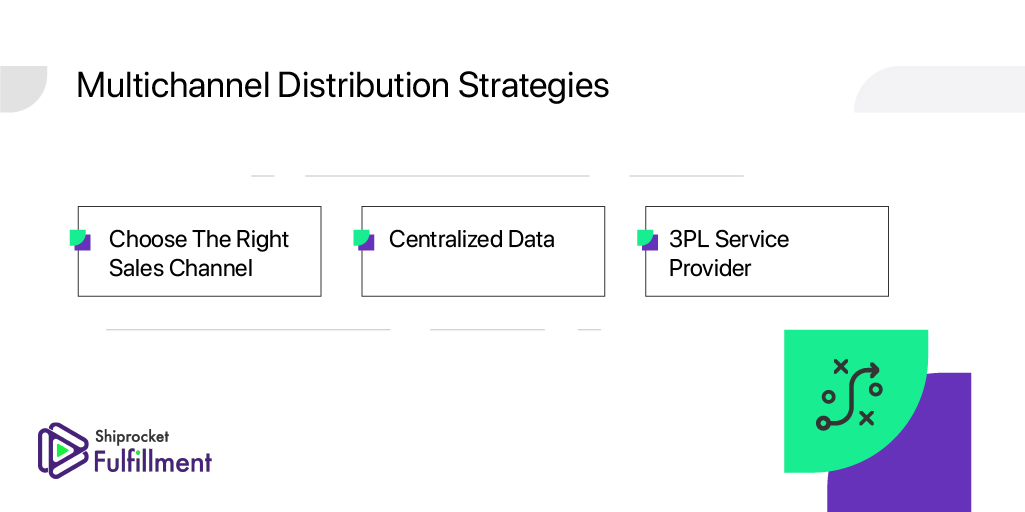
Building Robust Distribution Strategies for 2026Every product you buy onlineevery delivery that shows up on time, every inventory count that's accuratedepends on software application most consumers never ever see. A warehouse management system (WMS) does far more than track inventory area.
It collaborates labor and automation, enhances workflows in genuine time, and offers the exposure that turns a warehouse from a cost center into a strategic property. In this guide, we'll describe what a storage facility management system really does, the challenges it solves, how it works behind the scenes, and the core abilities that separate fundamental stock software application from true storage facility management platforms.
Real-Time Inventory Sync across All Sales Channels
While the acronym is simple, what qualifies as a true WMS isn't constantly clear. Fundamental inventory tracking tools are often called WMS platforms, but real storage facility management systems offer extensive operational control: inventory positioning, task orchestration, labor coordination, automation combination, and real-time efficiency visibility. The difference matters because the abilities space between fundamental inventory software application and enterprise WMS platforms straight impacts operational effectiveness, accuracy, and scalability.

Latest Posts
Building Seamless Multi-Channel Fulfillment Strategies in 2026
How to Build a Scalable Logistics Infrastructure
Impact of Cloud-Based Tech Shapes Retail Logistics