All Categories
Featured
Table of Contents
While our company believe it's always an advantage to offer on numerous markets and offering platforms, sometimes it takes excessive power when doing things manually. With ShipWise, you can handle all of your orders in one place no matter where they originate from. Do not be terrified of selling on several marketplaces since it's too much work, it's easy with ShipWise.
Why Sales Technology Is Altering the International LandscapeAn e-commerce market's benefits are comparing products in real-time and finding out from other consumers to find the product that works for the consumer. Getting your items on a chosen marketplace can be much work however extremely beneficial to your company's success.
Throughout the years, online sellers have actually focused all their attention selling on Amazon. Why? Due to the fact that it is simple, Satisfaction by Amazon (FBA) makes it even much easier and Amazon is merely eliminating it - 40% of all product searches are taking place on Amazon! Amazon should be a big portion of your profits, the big mistaken belief in the e-commerce world is that the bulk of your time and effort must be put on selling on Amazon.
Ecommerce organizations who use multiple-marketplaces have a revenue profile that looks more like this: Selling on multiple marketplaces uses a number of benefits for organizations and sellers, making it an important technique for effective e-commerce operations. Here are 4 reasons selling on multiple-marketplaces, including your own shopping cart is absolutely essential to your success: Selling online can be compared to a game of Monopoly.
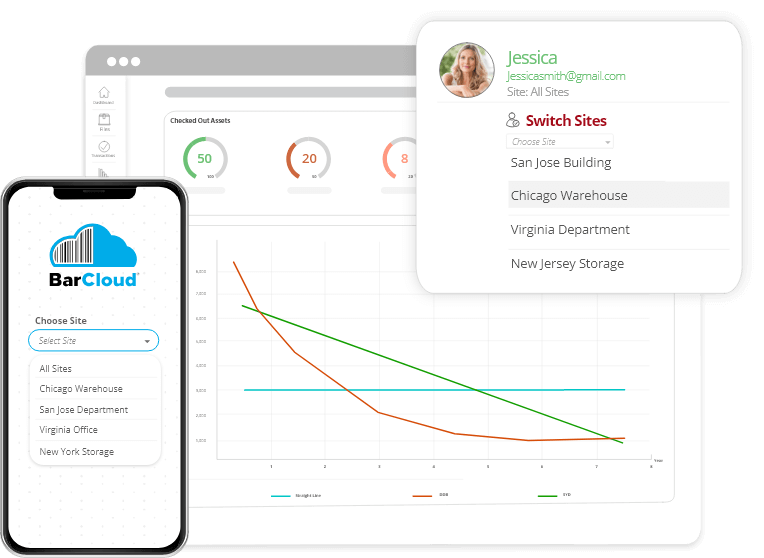
Reduce your reliance on 1 marketplace. Getting exposure through ecommerce markets exposes your item to the full quantity of prospective customers.
Comparing Centralized vs Local Fulfillment Strategies
Top-line revenue will flow down to your bottom-line. The main purpose of including several sales-channels for your service is to increase earnings by increasing sales. Selling on multiple marketplaces requires cautious preparation, organization, and management, but it can be a rewarding technique to expand your online sales and reach a wider consumer base.
As soon as you have actually recognized the markets you desire to sell on, create seller accounts on each platform. Each marketplace may have various listing requirements, so optimize your item listings accordingly.
Why Digital Infrastructure Supports Hyper-local GrowthDevelop rates and promos strategies for each marketplace. Consider factors such as competition, customer behavior, and market characteristics. You may need to change prices and promos based upon each platform's efficiency to remain competitive and maximize sales. Offer superior client service to keep a favorable credibility on each market. Establish clear customer care procedures, promptly react to customer inquiries and feedback, and deal with returns and problems expertly and promptly.
Comparing Centralized vs Distributed Shipping Models
Do not stress if you can't get on every marketplace right away. Start with one market and expand from there.
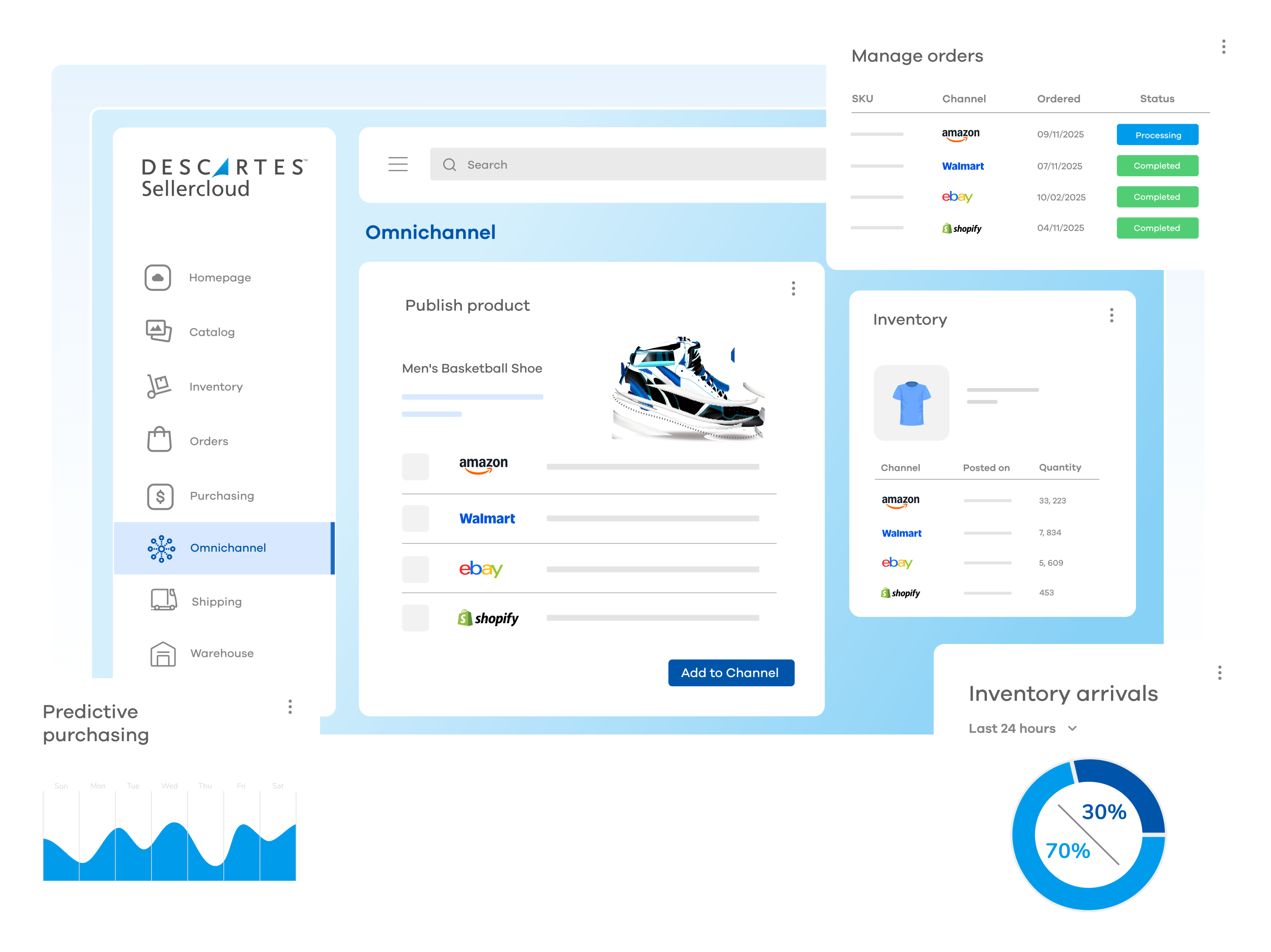
Work Smart. Offer More. If you are having problem with managing your multi-marketplace e-commerce presence, here's assistance. The choice of multichannel selling choices you should use depends on your organization model, target audience, and item niche. Popular marketplaces that numerous retailers pick for offering items consist of Amazon, eBay, Etsy, Walmart, Shopify, and numerous others.
Inventory management throughout numerous online markets can be tough. You can utilize multichannel e-commerce tools or third-party combinations that centralize and automate stock and order management. These tools can help you sync stock, upgrade item information, and enhance order processing across various marketplaces. Each market offers online companies with its own set of analytics and efficiency metrics to track sales, traffic, and other key efficiency indicators (KPIs).
Building Resilient Multi-Channel Retail Supply Networks
Establish rates and promos techniques for each marketplace. Consider factors such as competition, customer habits, and market dynamics. You might require to change pricing and promotions based upon each platform's performance to remain competitive and optimize sales. Offer superior client service to maintain a favorable reputation on each marketplace. Establish clear client service procedures, quickly react to customer inquiries and feedback, and deal with returns and problems professionally and promptly.
If you do, and you follow the ideas we reviewed in this article, you should see a genuine increase in your profits, brand name direct exposure, and overall profit. Do not stress if you can't get on every marketplace right away. Start with one market and broaden from there. Start with building a store too! In time, as you expand a growing number of and work on optimization, you'll see better results that will make a huge difference in your bottom line.
%201%20(1).png)
Work Smart. Offer More. If you are having problem with handling your multi-marketplace e-commerce existence, here's help. The choice of multichannel selling alternatives you need to utilize depends upon your company model, target audience, and product niche. Popular marketplaces that many retailers pick for offering products consist of Amazon, eBay, Etsy, Walmart, Shopify, and lots of others.
These tools can assist you sync inventory, upgrade item information, and streamline order processing throughout different marketplaces. Each market supplies online companies with its own set of analytics and performance metrics to track sales, traffic, and other crucial efficiency signs (KPIs).

Latest Posts
Building Seamless Multi-Channel Fulfillment Strategies in 2026
How to Build a Scalable Logistics Infrastructure
Impact of Cloud-Based Tech Shapes Retail Logistics